Count your units.
Type the units from your last electricity bill. We’ll show what they carry, what a rooftop could make, and what waiting costs, from sourced figures only.
Count the units on your last bill.
Your bill shows them as “units consumed”. Nothing you type leaves your browser.
of CO2 a month at today’s grid average (675 g a unit).
a month from 1 kW of panels in Pune, about 87% of the bill.
saved a month on Mahavitaran’s tariff; 1.6 years to pay back after the subsidy.
Grid average: CEA CO2 Baseline Database v22.0, FY2025-26, 675 g of CO2 a unit. Bill savings: Mahavitaran’s 2026-27 tariff for a single-phase home (MERC), tariff charges only; solar output for Pune (PVWatts v8); PM Surya Ghar subsidy and MNRE benchmark cost. Bill savings are worked out for Maharashtra only so far; other states will follow as we source their tariffs. See the full working.
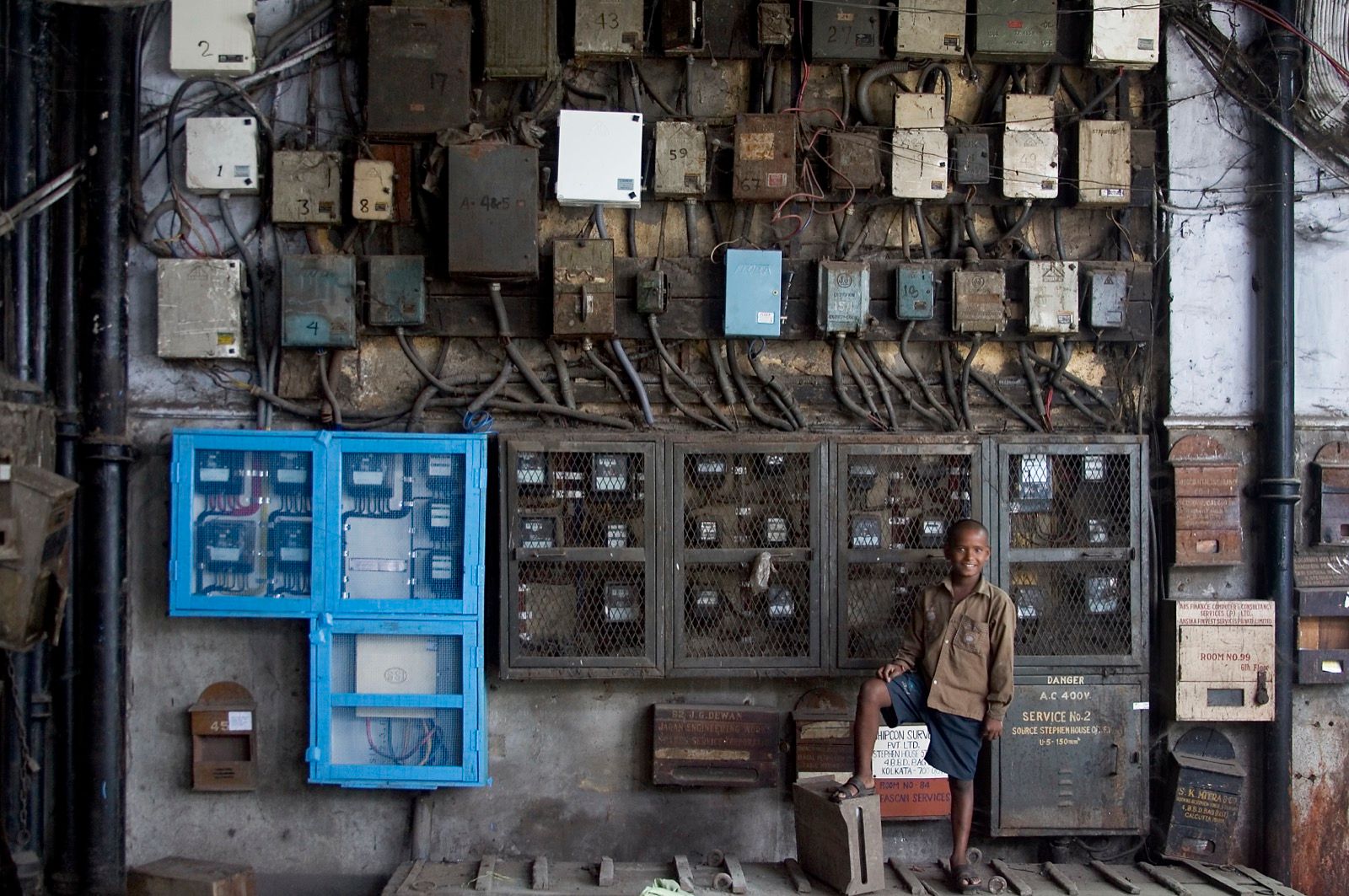
A year of waiting cost the Pune flat about ₹12,812.
That is the saving from 1 kW of panels in our worked example, and the system pays for itself in 1.6 years. The PM Surya Ghar subsidy closes on 31 March 2027.
150 units a month on Mahavitaran’s 2026-27 slabs, with the fixed charge.
About 130.5 units a month from the panels (PVWatts v8, Pune).
MNRE benchmark ₹50,000 for 1 kW, less ₹30,000 from PM Surya Ghar.
Worked example from our explainer: a Pune flat on Mahavitaran’s 2026-27 tariff, 1 kW of panels (PVWatts v8), PM Surya Ghar subsidy, MNRE benchmark cost. Read the full working in What rooftop solar actually saves on a Maharashtra electricity bill.
Three things you can do this month.
65.86 lakh homes have rooftop solar under PM Surya Ghar. Maharashtra and Gujarat lead; see where your state stands.
See your statePM Surya Ghar pays up to ₹78,000 towards a home system until 31 March 2027. Applications go through the national portal.
Open the PM Surya Ghar portalWhat changed in India’s units, and what it means for your bill.
Follow updates